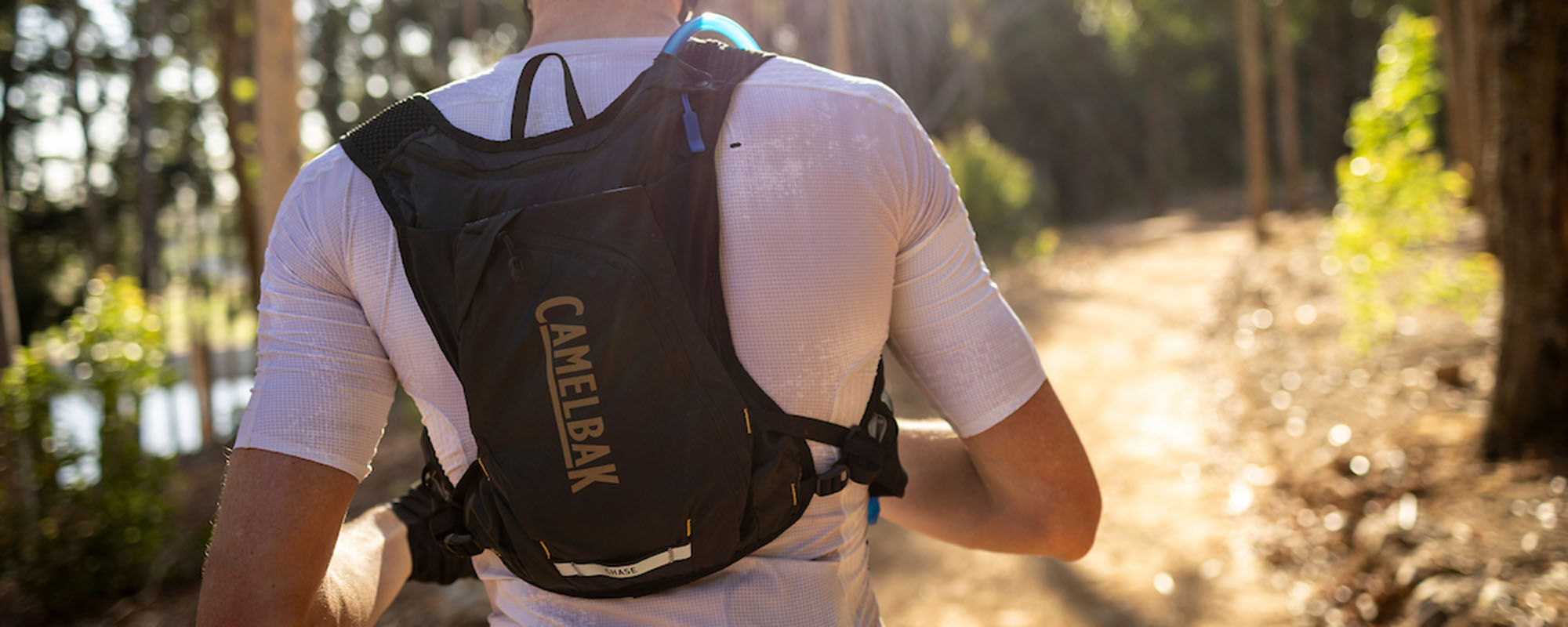
What Should Riders Look for When Choosing a Hydration Pack?
Riders should start by matching a hydration pack to their ride length, terrain, and water needs.
Core Factors to Consider
- Reservoir capacity: How much water the pack carries
- Fit and stability: How securely the pack stays in place
- Ventilation: Airflow between the pack and the rider’s back
- Storage: Space for tools, nutrition, and other essentials
- Ease of hydration: Quick access to water while riding
How Do Hydration Pack Size and Reservoir Capacity Affect Ride Duration?
Reservoir capacity directly affects how long a rider can stay hydrated without stopping to refill.
Common Capacity Ranges
- Small reservoirs: Suited for shorter rides or cooler conditions
- Medium reservoirs: Support moderate ride durations
- Large reservoirs: Better for long rides, hot weather, or remote routes
Other Considerations
- Larger reservoirs add weight but reduce how frequently riders need to refill.
- Smaller reservoirs are lighter but may require more hydration planning.
How Do CamelBak Hydration Packs Differ by Riding Style and Terrain?
CamelBak hydration packs are designed to support different riding environments by balancing capacity, stability, and storage.
Trail Riding
- Moderate reservoir capacity
- Lightweight construction
- Ventilation for longer pedaling efforts
Enduro Riding
- Secure fit with load-stabilizing straps
- Balanced water capacity and storage
- Stability for technical terrain
Downhill and Bike Park Riding
- Smaller reservoirs
- Low-profile designs
- Emphasis on stability and minimal movement
Gravel and Mixed-Surface Riding
- Moderate reservoir capacity
- Storage for tools and nutrition
- Comfort for long, steady efforts
What Features Should Riders Compare When Choosing a Hydration Pack?
When comparing hydration packs, riders should focus on features that affect comfort, hydration access, and load stability.
Key Features to Compare
- Harness design: Shoulder and chest strap configuration
- Load management: Compression straps and pack structure
- Back panel design: Ventilation and padding
- Storage layout: Pocket placement and accessibility
- Reservoir integration: Ease of filling, installing, and securing the reservoir
How Should a Hydration Pack Fit While Riding?
A hydration pack should feel secure and stable without bouncing or shifting during movement.
A Proper Fit Should Feel
- Snug against the upper back
- Evenly distributed across the shoulders
- Secure at the chest without restricting breathing
- Stable with minimal movement while riding
Signs of Poor Fit
- Excessive bouncing
- Shoulder or neck pressure
- The pack shifting from side to side
What Features Help Keep Hydration Packs Stable and Comfortable?
Stability and comfort depend on how effectively the pack manages weight and movement.
Stability and Comfort Features
- Compression straps: Reduce movement within the load
- Structured back panels: Help distribute weight
- Breathable materials: Reduce heat buildup
- Ergonomic harness design: Improves comfort during long rides
What Should Riders Know About Hydration Reservoirs and Drinking Systems?
Hydration reservoirs and drinking systems affect how easily riders can access water while moving.
Key Reservoir Features
- Wide openings: Make filling and cleaning easier
- Secure hose routing: Keeps the drink tube accessible
- Bite valves: Allow quick hydration without stopping
- Leak resistance: Helps prevent unwanted spills
Maintenance Considerations
- Reservoirs should be easy to clean and dry.
- Components should be durable and replaceable.
How Do Hydration Packs Differ from Using Bottles?
Hydration packs and water bottles support hydration in different ways. Packs generally offer more capacity and easier access while riding, whereas bottles provide a lighter and simpler setup.
Hydration Packs
- Provide hands-free drinking
- Offer larger water capacity
- Work well for longer or more technical rides
Water Bottles
- Create a lighter setup
- Require simpler maintenance
- Work well for short or casual rides
What Should First-Time Riders Look for in a Hydration Pack?
First-time riders should prioritize comfort, ease of use, and a capacity that matches their typical ride length.
Good Starting Points
- A moderate reservoir size
- A simple storage layout
- A comfortable harness design
- An easy-to-use drinking system
Key Takeaways
- Choose a hydration pack based on ride length, terrain, and hydration needs.
- Reservoir capacity affects both ride duration and total pack weight.
- Fit and stability are critical for comfort while riding.
- CamelBak hydration packs vary by riding style and terrain.
- Hydration packs provide hands-free hydration and typically carry more water than bottles.
Sources and Standards Referenced
- CamelBak® official hydration pack categories and product specifications
- General cycling hydration and pack-fit principles
- Common hydration reservoir and drinking system design considerations